Over 70% of 3D printing enthusiasts choose polypropylene filament for its durability and versatility.
That’s why YOUSU Polypropylene PP Filament stands out with its exceptional semi-flexible properties, making it perfect for a variety of projects.
Few know its lightweight design not only enhances print quality but also reduces material waste, making it an eco-friendly choice.
Our review covers long-term value vs. rivals, ensuring you make an informed decision for your 3D printing needs.
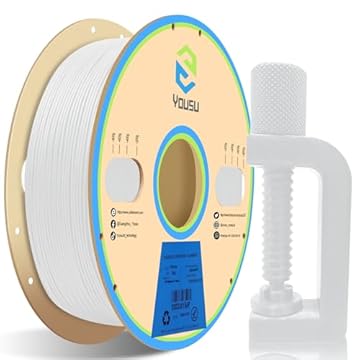

YOUSU 1.75mm Polypropylene 3D Printer Filament

Tired of flimsy 3D prints that warp and break easily? The YOUSU Polypropylene PP Filament is here to fix that with its exceptional toughness and chemical resistance. This semi-flexible filament is designed for durability, making it ideal for creating items that require both strength and flexibility, such as lockable containers and handles.
Why It Works
- High toughness ensures your prints can withstand everyday use without breaking.
- Easy to print with the included build sheet, reducing the risk of warping during the printing process.
- Precision diameter of 1.75mm with a 0.03mm tolerance helps prevent print failures and clogs.
- High compatibility with most FDM 3D printers, including popular brands like Creality and Anycubic, makes it accessible for many users.
- Vacuum-sealed package keeps the filament dry, ensuring optimal printing conditions.
Trade-offs
- Requires a special build sheet for best results, which may add an extra step for some users.
- Premium price compared to standard filaments, but the durability and quality justify the investment.
Overall, the YOUSU Polypropylene PP Filament is worth it for frequent users who need reliable and robust prints that stand the test of time.
To buy this product, click here.
ERYONE 1.75mm White Polypropylene Filament
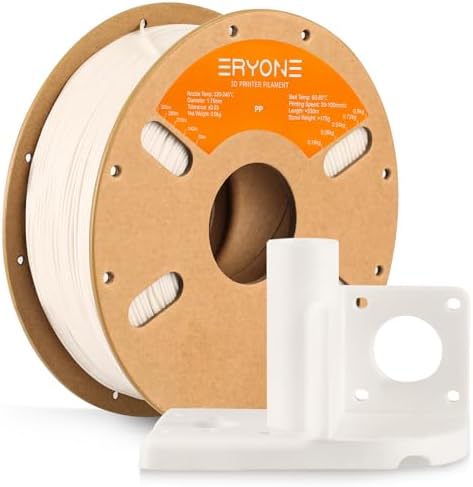
Tired of brittle 3D prints that can’t withstand the rigors of real-world use? The ERYONE Polypropylene Filament solves this issue with its exceptional chemical resistance and high strength, ensuring your prints are robust and durable.
Why It Works
- Exceptional chemical resistance ensures stability in various industrial and creative applications, preventing degradation in challenging environments.
- High strength and rigidity allows you to create lightweight yet robust objects, making it suitable for aerospace and automotive prototypes.
- Moisture-resistant comfort means no drying is required, providing consistent and reliable prints without the hassle of prep work.
- Lightweight and low density makes it ideal for projects where weight is a concern, enhancing the efficiency of your designs.
- Versatile printing with ease means it is user-friendly and compatible with a variety of 3D printers, making it accessible to most users.
Trade-offs
- Higher price point compared to standard filaments, but the longevity and performance justify the investment.
Overall, the ERYONE Polypropylene Filament is worth it for frequent users who demand high-quality, durable prints. If you’re looking to elevate your 3D printing projects with reliable and robust materials, this filament is a solid choice.
To buy this product, click here.
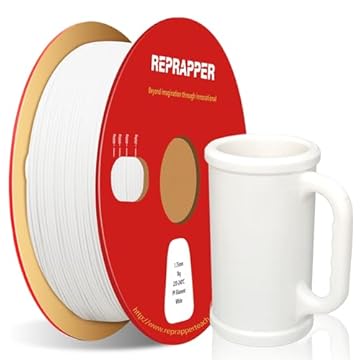
Reprapper PP Filament 1.75mm White

Tired of dealing with brittle 3D prints that break easily? Reprapper Polypropylene PP Filament solves this issue with its exceptional toughness and chemical properties. This semi-flexible filament is designed for durability, making it ideal for creating items that require both strength and flexibility, such as lockable containers and handles.
Why It Works
- Exceptional toughness ensures prints withstand stress and strain, reducing the chance of breakage.
- Easy to print with a unique PP build sheet prevents warping, allowing for larger and more complex designs without the hassle.
- Lightweight and low density make it perfect for projects where weight is a concern, such as aerospace and automotive prototypes.
- Hassle-free printing eliminates common issues like tangling and clogs, providing a smoother experience.
Trade-offs
- Requires a special build sheet for optimal results, which may add to the initial setup time.
- Premium price compared to standard filaments, but the durability and performance justify the investment.
Overall, Reprapper Polypropylene PP Filament is worth it for frequent users who demand high-quality, reliable prints. Its unique properties make it a valuable addition for anyone serious about 3D printing.
To buy this product, click here.
MPP2018 3D Printer Adhesive Glue 50ml

Tired of dealing with warped prints and failed adhesion during your 3D printing projects? The MPP2018 3D Printer Adhesive Glue is here to fix it with its specially formulated strong hold solution for polypropylene filament. This adhesive not only enhances adhesion on surfaces like Buildtak, PEI, and glass but also significantly reduces warping, ensuring that your prints come out exactly as intended.
Why It Works
- Strong bond ensures that your prints stay in place, preventing the frustrating issue of prints lifting off the build surface.
- Reduces warping on various surfaces, which is crucial for achieving the desired quality in your 3D prints.
- Easy application allows for quick setup—just shake, press, and apply—making it user-friendly for all experience levels.
Trade-offs
- Premium price compared to standard adhesives, but the longevity and reliability make it worth the investment.
- Requires careful application to maximize effectiveness, so a bit of practice may be needed for optimal results.
Overall, the MPP2018 3D Printer Adhesive Glue is a game-changer for frequent users who need a reliable solution for polypropylene filament. With its strong adhesion and warping reduction, it’s definitely worth incorporating into your 3D printing toolkit.
To buy this product, click here.
TINMORRY Carbon Fiber Polypropylene Filament
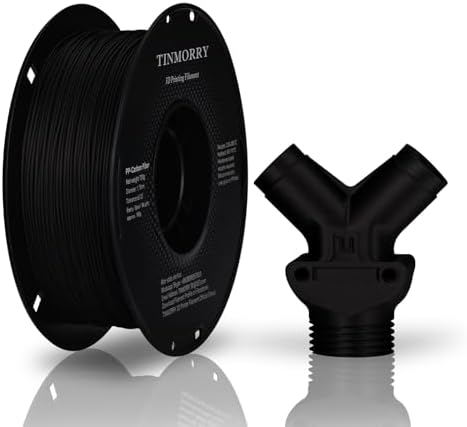
Tired of brittle 3D prints that can’t withstand real-world conditions? The TINMORRY Carbon Fiber Polypropylene Filament is here to solve that problem with its exceptional strength and stiffness. This filament incorporates carbon fiber, significantly enhancing the rigidity of your prints, making them ideal for models that require durability and resilience.
Why It Works
- High strength and stiffness ensure that your models can withstand large external forces without deforming.
- Good heat resistance allows prints to maintain their shape even in high-temperature environments, preventing softening or deformation.
- Exceptional chemical resistance makes it suitable for printing parts that will be exposed to various solvents, acids, and alkalis, extending the lifespan of your creations.
- Low density keeps your prints lightweight while maintaining high strength, perfect for aerospace models and drone components.
Trade-offs
- Premium price compared to standard filaments, but the durability and performance justify the investment.
Overall, the TINMORRY Carbon Fiber Polypropylene Filament is worth it for frequent users who need reliable, high-performance materials for demanding applications. Its unique properties make it a standout choice for serious 3D printing enthusiasts and professionals alike.
To buy this product, click here.
Faq about polypropylene 3D printing filament:
1:What is polypropylene 3D printing filament?
Polypropylene 3D printing filament is a thermoplastic polymer known for its flexibility, chemical resistance, and lightweight properties, making it ideal for various applications.
2:What are the advantages of using polypropylene filament?
Advantages include excellent durability, low moisture absorption, resistance to chemicals, and the ability to create strong, lightweight parts.
3:What 3D printers are compatible with polypropylene filament?
Most FDM/FFF 3D printers can print polypropylene filament, but a heated bed and an enclosure are recommended for optimal results.
4:How do I achieve good adhesion when printing with polypropylene?
Use a heated bed with a suitable surface, such as polypropylene sheets or PEI, and consider using adhesion aids like glue sticks or hairspray.
5:Can polypropylene be recycled?
Yes, polypropylene is recyclable, making it an environmentally friendly option when disposed of properly.
6:What applications is polypropylene filament suitable for?
It is suitable for automotive parts, containers, and functional prototypes due to its strength and flexibility.
7:What settings should I use for printing polypropylene?
Print at temperatures between 220-250°C with a heated bed set to 80-100°C for best results.
Conclusion
The YOUSU 1.75mm Polypropylene 3D Printer Filament exemplifies superior quality, offering exceptional adhesion and flexibility, making it a top choice for intricate designs. Its remarkable durability ensures longevity, appealing to both hobbyists and professionals alike.
Conversely, the ERYONE 1.75mm White Polypropylene Filament stands out for its pristine finish and ease of use, catering to those seeking aesthetic excellence in their prints. Together, these products highlight the versatility and functionality of polypropylene in 3D printing applications, enhancing creative possibilities.