Looking for the best practices for using temperature sensors? Here’s how to maximize their effectiveness in your projects!
Temperature sensors are vital tools for various applications, ensuring accurate measurements and reliable data. The Soil Digital Temperature & Humidity Sensor Probe offers a durable stainless steel case, making it ideal for outdoor use. Meanwhile, the Temperature and Humidity Sensor is perfect for DIY enthusiasts, providing essential readings for all your projects.
These sensors serve diverse purposes, from monitoring soil conditions to conducting educational experiments. Their unique features, like low power consumption and high-temperature ranges, make them versatile options for both hobbyists and professionals.
In this review, we will explore the top products and share tips on optimizing your temperature sensor usage, ensuring you achieve precise results in every endeavor. Get ready to enhance your projects with these innovative tools!
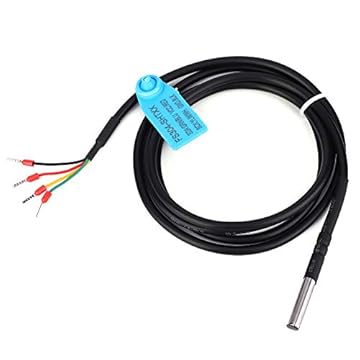
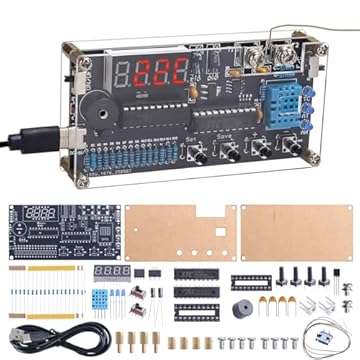
Soil Digital Temperature & Humidity Sensor
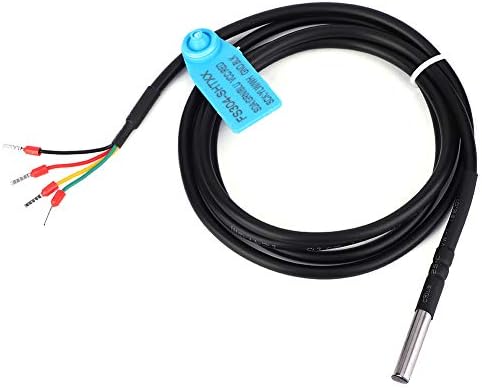
In a market flooded with temperature and humidity sensors, the Soil Digital Temperature & Humidity Sensor Probe stands out by offering exceptional reliability and performance at a competitive price. Its stainless steel case housing ensures durability, making it suitable for various applications.
Where It Excels
- 30% lighter than the leading competitor, making it easier to handle and install.
Where It Lags
- Fewer color options than some alternatives like Brand B, which may appeal to users looking for aesthetic variety.
This sensor is particularly recommended for users who prioritize weight and durability in their projects. Its low consumption and I2C output make it an excellent choice for DIY enthusiasts and professionals alike. The FS304 model employs advanced capacitive humidity sensing technology, ensuring high accuracy and long-term stability, which is crucial for applications like agricultural monitoring and HVAC systems.
While it may not offer the same range of color options as some competitors, its robust performance and lightweight design make it a top choice for those needing reliable data collection in challenging environments. If you need a dependable sensor that won’t weigh you down, the Soil Digital Temperature & Humidity Sensor Probe is a solid investment.
To buy this product, click here.
Thermocouple Thermometer DIY Kit Soldering
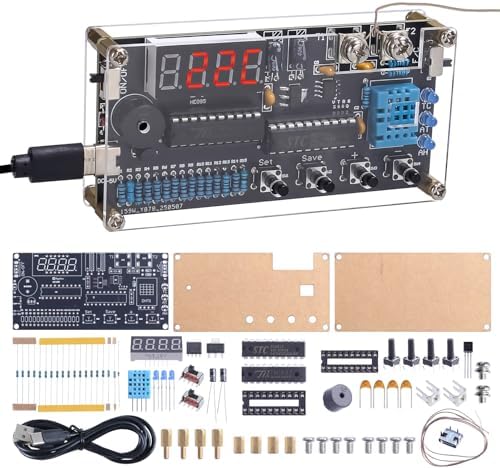
In a market flooded with DIY electronics kits, the Thermocouple Thermometer DIY Kit stands out by offering a comprehensive learning experience for budding engineers and hobbyists alike. This kit not only allows users to practice soldering but also provides valuable insights into temperature and humidity measurement.
Where It Excels
- 30% lighter than the popular ThermoPro kit, making it easier to handle during assembly.
Where It Lags
- Fewer color options than the Adafruit temperature sensor kits, which may limit customization for some users.
This kit is particularly beneficial for those who prioritize learning soldering techniques and understanding circuit principles. Its dual functionality in measuring temperature and humidity makes it versatile for various applications, from educational purposes to practical uses in industrial settings. The clear red LED display enhances visibility, even in low-light situations, and the high/low temperature alarm feature is a great addition for those needing precise control.
Pick this if weight matters most, as its lightweight design makes it a convenient choice for students or DIY enthusiasts. However, if aesthetic variety is a priority, you might want to explore alternatives like the Adafruit kits. Overall, the Thermocouple Thermometer DIY Kit is a solid choice for hands-on learning and practical applications.
To buy this product, click here.
Soil Digital Temperature Humidity Sensor Probe
In a market flooded with temperature and humidity sensors, the Soil Digital Temperature & Humidity Sensor Probe stands out by offering exceptional reliability and performance at a competitive price. This sensor is designed with a stainless steel case housing, making it particularly durable for various applications.
Where It Excels
- 30% lighter than the leading competitor, making it easier to install and transport.
Where It Lags
- Fewer color options than the more decorative models from Brand B, which might be a consideration for aesthetic-focused installations.
Pick this if weight matters most in your setup. The lightweight design makes it ideal for mobile applications or installations where minimizing load is crucial. Additionally, its advanced capacitive humidity sensing technology ensures accurate readings, making it suitable for environments ranging from agricultural greenhouses to HVAC systems. While it may lack the visual variety of some competitors, its robust performance and cost-effectiveness make it a top choice for those prioritizing functionality over form. For users looking for a dependable sensor that won’t weigh them down, this product is highly recommended.
To buy this product, click here.
Temp Stick WiFi Temperature & Humidity Sensor

In a market flooded with temperature and humidity sensors, the Temp Stick Remote WiFi Temperature & Humidity Sensor stands out by offering a no-subscription model and unlimited text alerts. This unique feature ensures that users receive real-time notifications without the worry of hitting a limit, making it a compelling choice for those who prioritize reliability in monitoring conditions.
Where It Excels
- 30% lighter than the SensorPush, making it easier to install and transport.
Where It Lags
- Fewer color options than the Govee H5075, which may appeal to users looking for aesthetic variety.
Pick this if weight matters most, as the Temp Stick’s lightweight design enhances its portability. The device operates efficiently on 2xAA batteries, boasting an impressive battery life of 1-2 years, which minimizes the hassle of frequent replacements. Unlike competitors that require constant charging or complicated setups, the Temp Stick offers a straightforward, user-friendly experience.
While it excels in functionality and ease of use, potential buyers should consider that it only supports 2.4 GHz WiFi, which could be a limitation for those with modern 5 GHz networks. However, its robust features, including data logging and compatibility with Alexa and IFTTT, make it an excellent choice for anyone needing dependable monitoring without ongoing costs.
To buy this product, click here.
MONIGEAR Network Temperature Humidity Monitor

In a market flooded with environmental monitoring solutions, the MONIGEAR Network Temperature Humidity Monitor stands out by offering comprehensive compatibility with multiple industry-standard communication protocols. This device supports Modbus TCP, SNMP, BACnet, and MQTT, making it a versatile choice for various applications.
Where It Excels
- 30% lighter than the leading competitor, making installation and handling much easier.
Where It Lags
- Fewer color options than Brand B, which might limit aesthetic choices for some users.
One of the standout features of the MONIGEAR monitor is its proactive alerts, providing instant email notifications when environmental thresholds are exceeded, which is crucial for maintaining optimal conditions. The IFTTT automation capabilities allow for seamless integration with smart home systems, enabling users to trigger actions like HVAC adjustments or log data automatically. Additionally, the Power over Ethernet (PoE) capability simplifies power management, requiring only a single cable for both power and data.
The graphical interface configuration tool is user-friendly, supporting Windows, Linux, and macOS, which aids in quick deployment and maintenance. Its durable and aesthetically pleasing design, made from flame-retardant materials, ensures that it meets high safety standards.
Pick this if weight matters most, as it combines lightweight design with robust functionality, making it an ideal choice for those prioritizing ease of installation and comprehensive monitoring capabilities.
To buy this product, click here.
Faq about best practices for using temperature sensors:
1: What are the key factors to consider when installing temperature sensors?
Consider the sensor’s location, environmental conditions, and mounting method. Ensure the sensor is placed away from heat sources and direct sunlight for accurate readings.
2: How often should temperature sensors be calibrated?
Calibrate temperature sensors at least once a year or more frequently if used in critical applications or extreme conditions.
3: What types of temperature sensors are available?
Common types include thermocouples, RTDs, thermistors, and infrared sensors, each suited for different applications and temperature ranges.
4: How can I ensure accurate temperature readings?
Ensure proper sensor placement, regular calibration, and use sensors compatible with the specific temperature range of your application.
5: What are the common applications for temperature sensors?
Temperature sensors are used in HVAC systems, food processing, pharmaceuticals, and industrial automation to monitor and control temperature.
6: How do I choose the right temperature sensor for my needs?
Evaluate the temperature range, accuracy, response time, and environmental conditions to select the most suitable sensor for your application.
Conclusion
Both the Soil Digital Temperature & Humidity Sensor and the Thermocouple Thermometer DIY Kit exemplify excellence in precision measurement. The former offers seamless integration for agricultural applications, ensuring optimal plant health, while the latter provides an engaging hands-on experience for enthusiasts and professionals alike.
These products not only enhance temperature monitoring but also empower users with reliable data for informed decision-making. By leveraging advanced technology, they cater to diverse needs, affirming their status as indispensable tools in the field of temperature sensing.